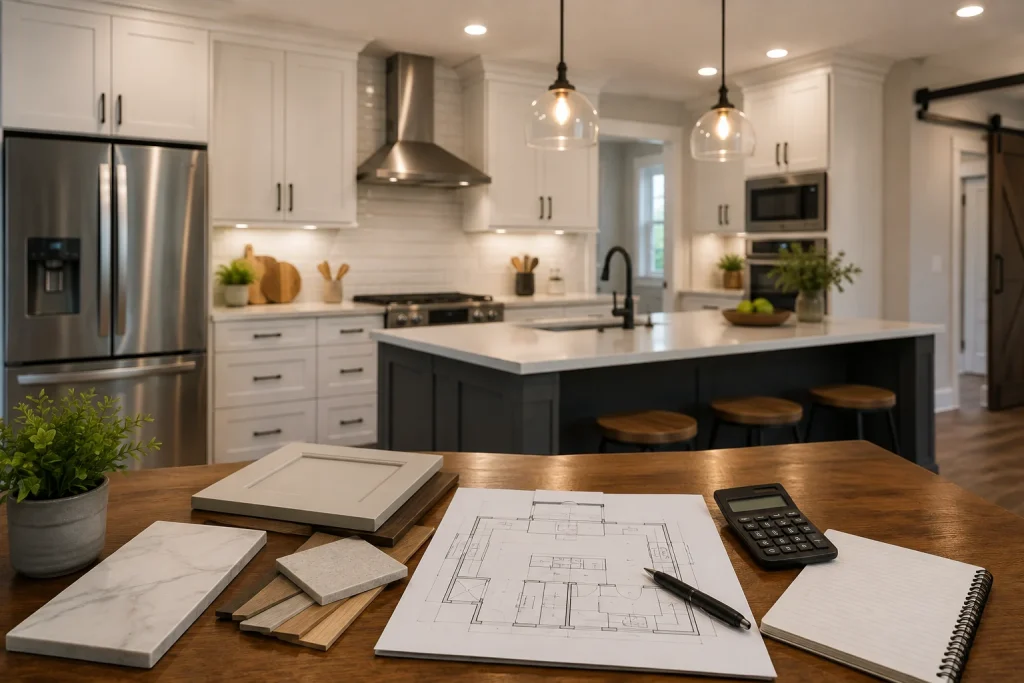
One of the first questions homeowners ask when considering a renovation is simple: how much does a kitchen remodel cost in Central Florida? The answer depends on much more than the size of the room. Cabinets, countertops, appliances, flooring, plumbing, electrical work, structural changes, material quality, and whether the existing layout will remain in place can dramatically change the final investment. As a general national benchmark, 2026 remodeling data indicates that professional kitchen renovations frequently fall between approximately $14,600 and $41,600, with an average close to $27,000. Smaller projects may cost less, while extensive renovations involving new layouts, custom cabinetry, structural work, premium materials, and high-end appliances can exceed $65,000 to $100,000. These figures are planning references, not CF Construction pricing. The actual cost of a kitchen remodel in Bartow, Lakeland, Winter Haven, Davenport, Plant City, Brandon, Riverview, or another Central Florida community depends on the specific home and project scope. Average Kitchen Remodeling Cost in 2026 Kitchen remodeling has an unusually wide cost range because the term “kitchen remodel” can describe very different projects. One homeowner may keep the existing layout, repaint the room, replace countertops, install a backsplash, and update fixtures. Another may replace every cabinet, relocate plumbing, install new electrical circuits, remove walls, add an island, replace flooring, and purchase new appliances. Those projects should not be expected to cost the same. Useful 2026 Planning Benchmarks Small or limited kitchen renovation: approximately $10,500 to $20,000 nationally; Typical professional kitchen remodel: approximately $14,600 to $41,600 nationally; Average professional project: approximately $27,000 nationally; Extensive or complete remodel: approximately $65,000 to $130,000 or more depending on scope and materials. These numbers should be used to understand the scale of possible investment rather than as fixed Central Florida pricing. For additional context, homeowners can review Angi’s current kitchen remodeling cost data, which is periodically updated using national project information. What Determines the Cost of a Kitchen Remodel? The largest cost differences usually come from project scope rather than a single product or material. Before establishing a budget, homeowners should determine whether they are planning a cosmetic update, a moderate renovation, or a complete transformation. Major Kitchen Remodeling Cost Factors Include: Kitchen size; Cabinet replacement or modification; Countertop material; Appliances; Flooring; Backsplash and tile; Plumbing modifications; Electrical upgrades; Lighting; Structural changes; Wall removal; Kitchen island construction; Painting and finish work; Permits and inspections where required; Conditions discovered during demolition. If you are still determining the overall scope of the project, start with the complete CF Construction guide to kitchen remodeling in Central Florida. It explains layout, cabinetry, countertops, lighting, materials, contractor selection, and project planning in greater detail. Cabinets Can Be One of the Largest Expenses Cabinetry can represent a substantial portion of a kitchen remodeling budget because cabinets combine materials, manufacturing, hardware, installation, and storage design. The cost can vary depending on whether homeowners choose: Cabinet refinishing; Cabinet refacing; Stock cabinetry; Semi-custom cabinetry; Custom cabinetry; Specialized storage accessories; Decorative panels and trim; Full-height pantry cabinets; Kitchen island cabinetry. Keeping structurally sound cabinets and updating their appearance can cost significantly less than replacing the entire cabinet system. However, replacement may be the better option when the existing layout lacks storage, cabinets are damaged, or homeowners want to significantly change how the kitchen functions. Countertop Material Has a Major Impact on Budget Countertop pricing depends on the material, total square footage, slab requirements, edge details, sink configuration, fabrication complexity, and installation. Popular choices may include: Quartz; Granite; Porcelain; Natural stone; Other engineered surfaces. A large kitchen island can increase countertop costs considerably because it adds surface area and may require larger slabs or more complex fabrication. When comparing countertop options, homeowners should consider durability, maintenance, stain resistance, heat resistance, appearance, and expected lifespan in addition to initial price. Keeping the Existing Layout Can Reduce Remodeling Cost One of the most effective ways to control a kitchen remodeling budget is to maintain major components close to their existing locations when the current layout already functions well. Moving a sink, range, refrigerator, or dishwasher may require additional plumbing, electrical, framing, flooring, wall, or cabinetry work. That does not mean homeowners should never change the layout. A poorly functioning kitchen may justify a larger investment if relocating major elements substantially improves circulation, storage, workspace, or daily use. The key is understanding why the change is being made and what additional construction it creates. How Structural Changes Affect Kitchen Remodeling Cost Open-concept kitchens remain popular, particularly when homeowners want the kitchen to connect more naturally with dining and living areas. However, removing a wall is very different from replacing cabinets and countertops. A wall may contain: Electrical wiring; Plumbing; HVAC components; Structural framing; Other building systems. If structural modifications are required, the project may also involve engineering, framing changes, permits, inspections, ceiling repairs, flooring transitions, and additional finish work. This is why a contractor should evaluate existing conditions before a homeowner assumes that removing a wall will be a simple part of the renovation. Appliances Can Change the Budget Quickly Appliance selections vary dramatically in price. A kitchen using standard appliances will have a very different total budget from one incorporating professional-style ranges, built-in refrigeration, specialty ventilation, double ovens, wine refrigeration, or other premium equipment. Appliances can also influence construction. Changing from one type or size of appliance to another may affect cabinetry dimensions, electrical requirements, gas connections, ventilation, plumbing, and countertop openings. For this reason, appliance selections should be coordinated relatively early in the remodeling process. Electrical and Lighting Costs Should Not Be Overlooked A kitchen contains significant electrical infrastructure. Modern households often need more outlets, better task lighting, dedicated appliance circuits, island power, under-cabinet lighting, pendant fixtures, and improved general illumination. Depending on the age and condition of the home, remodeling may expose electrical systems that need to be updated as part of the project. Electrical planning can include: Recessed lighting; Pendant lighting; Under-cabinet lighting; Island outlets; Countertop outlets; Appliance circuits; Switches and controls; Relocation of existing wiring. These decisions should be made before walls, cabinetry, backsplash, and countertops are completed. Plumbing Changes Can Increase Project Complexity Replacing a faucet in the same location is relatively straightforward compared with relocating a kitchen sink to a new island. Moving plumbing may require changes beneath floors, inside walls, or through cabinetry. Depending on the project, dishwasher connections, refrigerator water lines, garbage disposals, sinks, and other components may also need to be coordinated. Homeowners considering a major layout change should therefore discuss plumbing implications during the planning stage rather than after the new kitchen has already been designed. Flooring Costs Depend on More Than Square Footage Kitchen flooring should be durable enough for frequent foot traffic, spills, cleaning, and daily household use. The cost depends on the material chosen, existing floor conditions, demolition requirements, subfloor preparation, total area, installation complexity, and whether adjacent rooms are also receiving new flooring. When a renovation changes the kitchen footprint by removing cabinets, walls, or islands, additional flooring work may be required in areas that were previously covered. Material Quality Creates a Wide Price Range Two kitchens with identical dimensions can have dramatically different budgets simply because of material selections. Examples include: Stock cabinets versus custom cabinetry; Standard countertops versus premium stone; Basic backsplash tile versus specialty materials; Standard appliances versus professional-grade equipment; Simple lighting versus designer fixtures; Standard hardware versus premium decorative hardware. The most expensive product is not automatically the best choice. A good remodeling plan allocates budget based on durability, functionality, homeowner priorities, and where quality will have the greatest impact. What Is a Reasonable Kitchen Remodeling Budget? A reasonable budget is one that matches the scope homeowners actually expect. For a Smaller Kitchen Update A limited renovation may focus on selected improvements such as countertops, backsplash, fixtures, lighting, painting, flooring, or cabinet refinishing while retaining the overall layout. For a Mid-Level Kitchen Remodel A more substantial renovation may include new cabinetry, countertops, backsplash, flooring, lighting, sink, fixtures, and appliances while keeping major plumbing and structural elements relatively stable. For a Major Kitchen Remodel A complete renovation may involve removing the existing kitchen, changing the layout, relocating plumbing and electrical systems, modifying walls, installing custom or semi-custom cabinetry, adding a large island, replacing flooring, and selecting premium finishes and appliances. Because these scopes are fundamentally different, asking “what does a kitchen remodel cost?” without defining the renovation can produce misleading answers. Should You Set Aside Money for Unexpected Conditions? Yes. Remodeling involves an existing building, and not every condition is visible before demolition. Once cabinets, walls, flooring, or fixtures are removed, contractors may discover conditions that need to be addressed before new materials can be installed correctly. Potential examples can include: Water damage; Subfloor issues; Outdated electrical components; Plumbing problems; Previous improper modifications; Framing conditions; Other concealed construction issues. Maintaining some budget flexibility can help homeowners deal with legitimate unforeseen conditions without compromising important parts of the renovation. Permits Can Be Part of a Kitchen Remodeling Budget Permit requirements depend on the project scope and local jurisdiction. A primarily cosmetic renovation may have different requirements from a project involving structural work, new electrical circuits, plumbing relocation, walls, or significant building modifications. Because Central Florida includes multiple municipalities and counties, requirements may vary according to where the property is located. Homeowners should confirm applicable requirements before construction begins rather than assuming every kitchen renovation follows the same permitting process. Does a Kitchen Remodel Add Value to a Home? A kitchen renovation can improve more than resale value. It can also improve how the property functions every day. Updated kitchens may offer: Improved storage; Better traffic flow; More usable workspace; Modern lighting; Improved appearance; Updated appliances; Better integration with living spaces; Greater appeal to future buyers. Industry research also consistently identifies kitchen renovations among home improvements that can retain a meaningful portion of their investment at resale, although actual return depends heavily on project scope, market, property, and renovation choices. Homeowners should therefore avoid evaluating a remodel exclusively by resale calculations. The value of using a more functional kitchen for years can also be an important part of the decision. How to Control Kitchen Remodeling Costs Without Cutting the Wrong Corners Reducing cost does not necessarily mean choosing the cheapest material or contractor. More effective strategies can include: Define priorities before construction begins. Separate must-have improvements from optional upgrades. Keep a functional layout when possible. Avoid relocating major systems without a clear benefit. Select materials early. Late decisions can create substitutions, delays, or compatibility issues. Invest where durability matters. Cabinets, countertops, flooring, waterproof areas, and heavily used components should be selected with long-term performance in mind. Avoid unnecessary design changes during construction. Changes after work begins can affect materials, labor, scheduling, and completed work. Compare contractor estimates carefully. A lower total may simply include a different scope. Why the Lowest Kitchen Remodeling Estimate May Not Be the Cheapest Homeowners should compare what is actually included in each estimate rather than comparing only the final number. An estimate should make it reasonably clear which work, materials, responsibilities, and project phases are included. Before Comparing Estimates, Ask: Does the price include demolition? Is debris removal included? Who supplies materials? Are plumbing and electrical changes included? Does the estimate include painting and finish work? Are permits included when required? Who coordinates subcontractors? How are changes handled? What is specifically excluded? A qualified contractor should also be able to discuss how your desired scope influences the budget. CF Construction is a fully insured and licensed Florida contractor, license number CBC1269122. Learn more about the company and its residential and commercial experience on the CF Construction company page. Kitchen Remodeling Costs in Bartow, Lakeland and Central Florida National averages are useful for initial research, but they cannot replace a project-specific evaluation. Actual kitchen remodeling costs in Bartow, Lakeland, Winter Haven, Davenport, Plant City, Brandon, Riverview, and surrounding Central Florida communities depend on the home, desired design, materials, existing conditions, and construction requirements. Homeowners can review the CF Construction Kitchen Remodeling showcase and explore additional residential remodeling services in Central Florida. Frequently Asked Questions About Kitchen Remodel Costs How much does a kitchen remodel cost in Central Florida? There is no fixed price because kitchen remodeling costs depend on project size, cabinets, countertops, appliances, flooring, plumbing, electrical work, structural changes, materials, and existing conditions. National 2026 benchmarks place many professional remodels around $14,600 to $41,600, but extensive projects can cost substantially more. A local project estimate is required for accurate Central Florida pricing. Can I remodel a kitchen for $20,000? A budget around $20,000 may be feasible for some smaller or more limited renovations, particularly when the existing layout remains in place and homeowners carefully prioritize improvements. Complete renovations involving extensive cabinetry, structural changes, premium materials, or significant plumbing and electrical modifications may require a considerably larger budget. What is the most expensive part of a kitchen remodel? Cabinetry is frequently one of the largest individual expenses, although the answer depends on the project. Appliances, countertops, structural modifications, plumbing, electrical work, flooring, and premium materials can also represent substantial portions of the budget. Is it cheaper to keep the existing kitchen layout? Often, yes. Keeping sinks, appliances, plumbing, and major structural elements close to their existing locations can reduce the amount of construction required. However, changing a poor layout may be worthwhile when it significantly improves functionality. How much should I set aside for unexpected remodeling costs? Homeowners should maintain reasonable budget flexibility because concealed conditions may be discovered during demolition. The appropriate contingency depends on the age of the home, scope of work, existing conditions, and project complexity. Does CF Construction provide kitchen remodeling estimates? Yes. CF Construction offers free estimates for remodeling projects and serves communities throughout Central Florida. Does CF Construction offer financing? CF Construction states that financing is available. Homeowners should contact the company for current financing options, eligibility requirements, and information related to their specific project. Get an Accurate Estimate for Your Central Florida Kitchen Remodel Online cost ranges are useful for establishing expectations, but they cannot account for the specific conditions of your kitchen. The most reliable estimate comes after defining your goals, reviewing the existing space, determining the desired scope, and discussing material and design expectations with a qualified contractor. If you are considering kitchen remodeling in Central Florida, CF Construction serves homeowners throughout Bartow, Lakeland, Winter Haven, Davenport, Plant City, Brandon, Riverview, and surrounding areas. Before requesting an estimate, you can also read the Kitchen Remodeling in Central Florida Complete Planning Guide to prepare your priorities and understand the major decisions involved in the renovation. Ready to understand what your kitchen project could cost? Request a free kitchen remodeling estimate from CF Construction or call (863) 308-3097.